



7 Things That Surprise International Students About Studying in Japan
What is it really like to study in Japan? While many students prepare for language classes and cultural differences, daily life in Japan often includes unexpected surprises. From public transportation etiquette to seasonal traditions, here are seven things international students often don’t expect.
- How Safe It Feels
One of the first things students mention is how safe Japan feels—even in large cities like Tokyo. Walking at night, taking public transportation alone, or accidentally leaving something behind often feels far less stressful than expected.
This sense of safety allows students to focus more on learning Japanese, exploring their neighborhood, and building new friendships instead of constantly worrying about personal security.
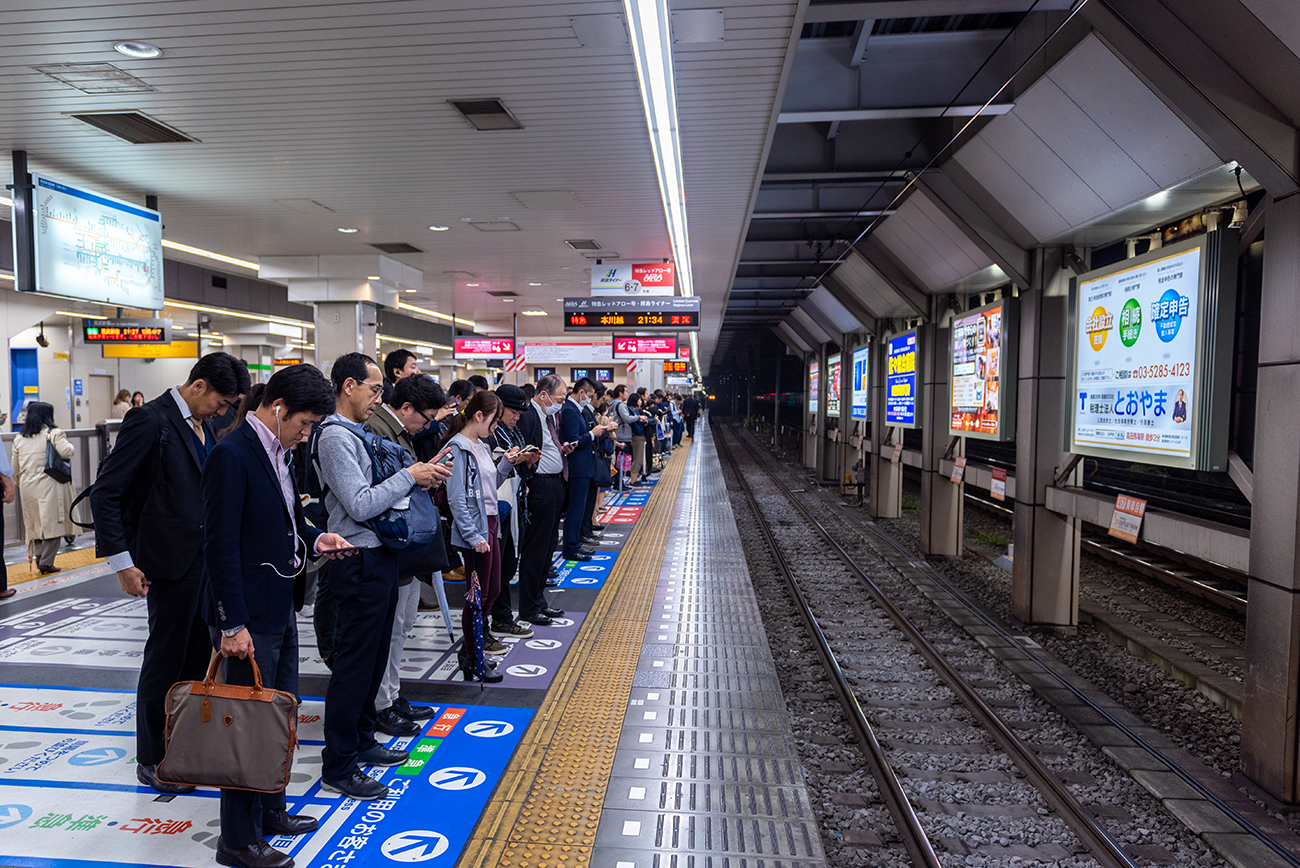
- The Quiet on Public Transportation
Trains can be crowded—especially during rush hour—but they’re usually remarkably quiet. People avoid phone calls and speak softly, even when packed tightly together.
For many international students, this calm and orderly atmosphere is surprising compared to public transit back home.
- The Attention to Cleanliness
From tidy streets to organized classrooms, cleanliness stands out. Public spaces are well maintained, and students quickly notice how much responsibility individuals take for shared areas.
- How Organized Everything Is
Schedules run smoothly. Trains arrive on time. School procedures are clearly explained.
While adjusting to new systems can take time, many students are surprised at how structured and efficient daily life in Japan feels. This organization often makes settling in easier than expected.
- Seasonal Changes Are Everywhere
In Japan, seasons aren’t just background scenery—they’re part of daily life. Menus change. Store displays shift. Limited-edition snacks appear. Even everyday conversations reflect the time of year. Students begin to notice how closely life follows seasonal rhythms, from cherry blossoms in spring to autumn leaves and winter illuminations.
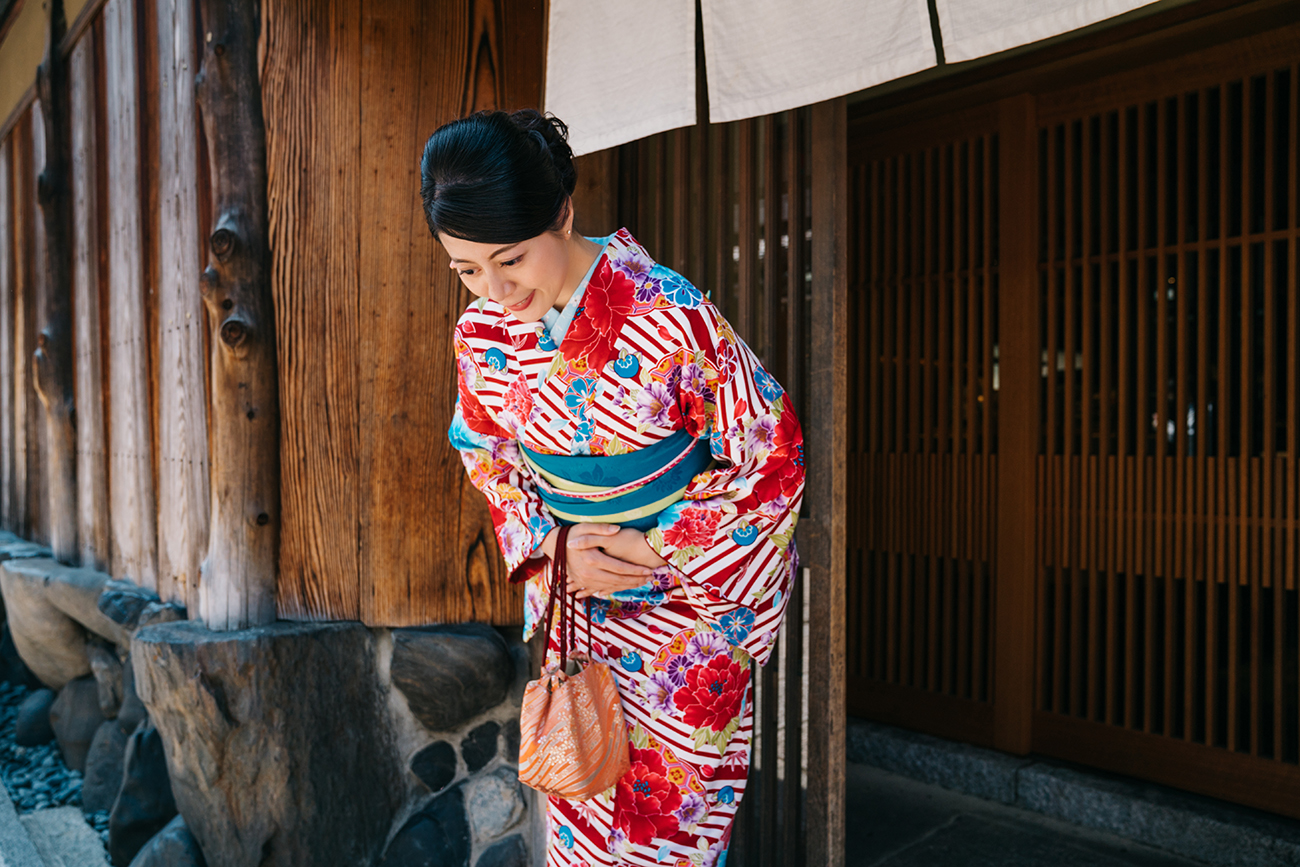
- Communication Is More Indirect
Many students are surprised by how politely and indirectly people communicate. Instead of saying “no” directly, responses may be softer or more nuanced. Learning to read context, tone, and body language becomes an important cultural skill—one that goes beyond textbook Japanese.
- Small Everyday Kindnesses
Whether it’s a shop staff member carefully wrapping your purchase or someone walking you to the correct train platform, students often notice quiet acts of consideration. These small interactions leave a lasting impression and often become some of the most meaningful memories of studying in Japan.
The Bigger Picture
These surprises can feel overwhelming at first—but they often become the moments students remember most. Adjusting to life in Japan isn’t just about language. It’s about noticing these differences, adapting to them, and growing from them.
For many students, those first surprises are the beginning of a much deeper cultural understanding.
Thinking about studying Japanese in Japan? KCP International can help you take the first step.