

How Short-Term Study Abroad Students Can Access and Manage Money in Japan
For a short-term stay in Japan, the simplest approach is usually to use a mix of cards and cash. Many students arrive with some yen, use an overseas debit or ATM card to withdraw more cash when needed, and keep a credit card or second card as backup.
A little preparation before you leave can make managing money in Japan much easier.
Bring More Than One Card
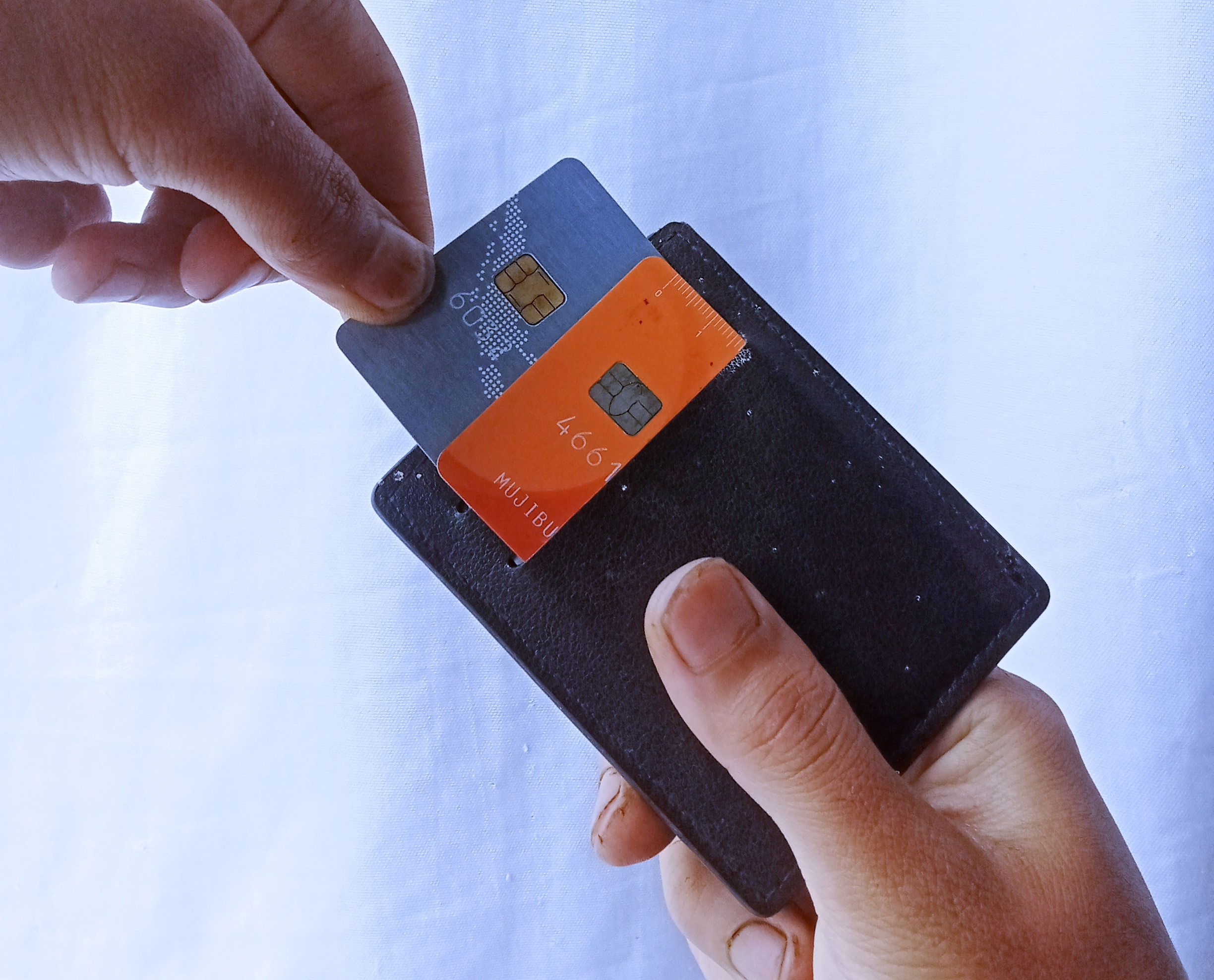
An overseas debit or ATM card linked to your home bank account can be a convenient way to access yen during your stay. Many ATMs in Japan accept cards issued abroad, including machines operated by Seven Bank and Japan Post Bank.
It is also smart to bring a second card from a different network in case your main card is declined, lost, or temporarily blocked.
Before traveling, check your bank’s international withdrawal fees, daily limits, foreign transaction fees, and overseas-use settings.
Use International ATMs
Seven Bank ATMs, commonly found in 7-Eleven convenience stores, and Japan Post Bank ATMs accept many internationally issued cards.
Some U.S. financial institutions reimburse eligible international ATM fees, including:
- Charles Schwab Investor Checking: Unlimited ATM fee rebates worldwide.
- Fidelity Cash Management Account: Reimbursement of eligible ATM withdrawal fees.
- Betterment Checking: Reimbursement of ATM fees and certain foreign transaction fees.
Check current account terms and eligibility before traveling. When withdrawing cash, choose to be charged in Japanese yen instead of U.S. dollars to generally avoid unfavorable ATM conversion rates.
Keep Some Cash Handy
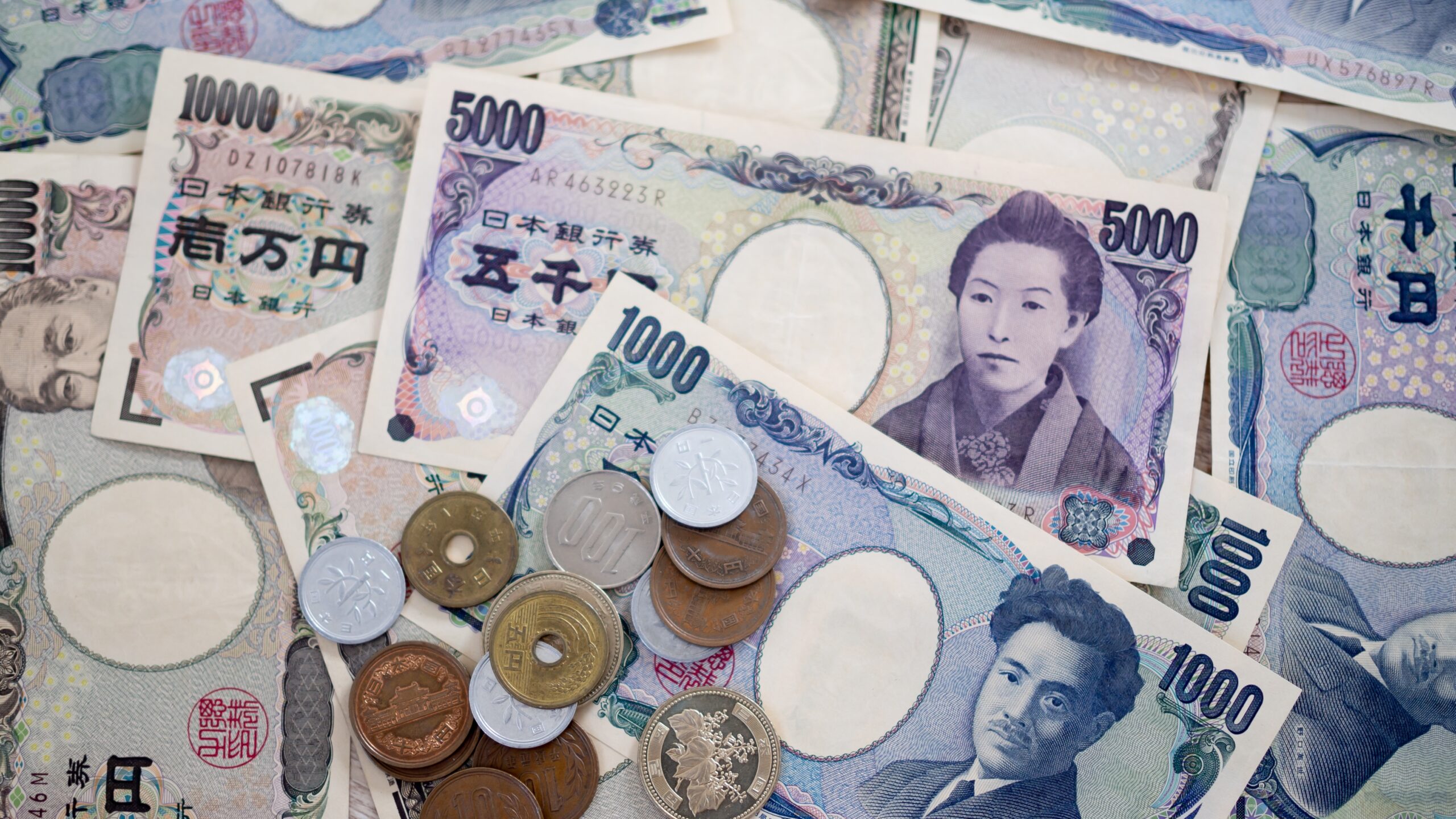
Japan is increasingly cashless, but cash is still useful for smaller shops, local restaurants, ticket machines, and other places where your preferred card may not be accepted.
You do not need to carry a large amount. A mix of cards and a reasonable amount of yen gives you more flexibility.
Receiving Money From Home
If you need additional funds during your stay, family can usually transfer money into the bank account you already use at home. You can then access those funds in Japan using your debit or ATM card.
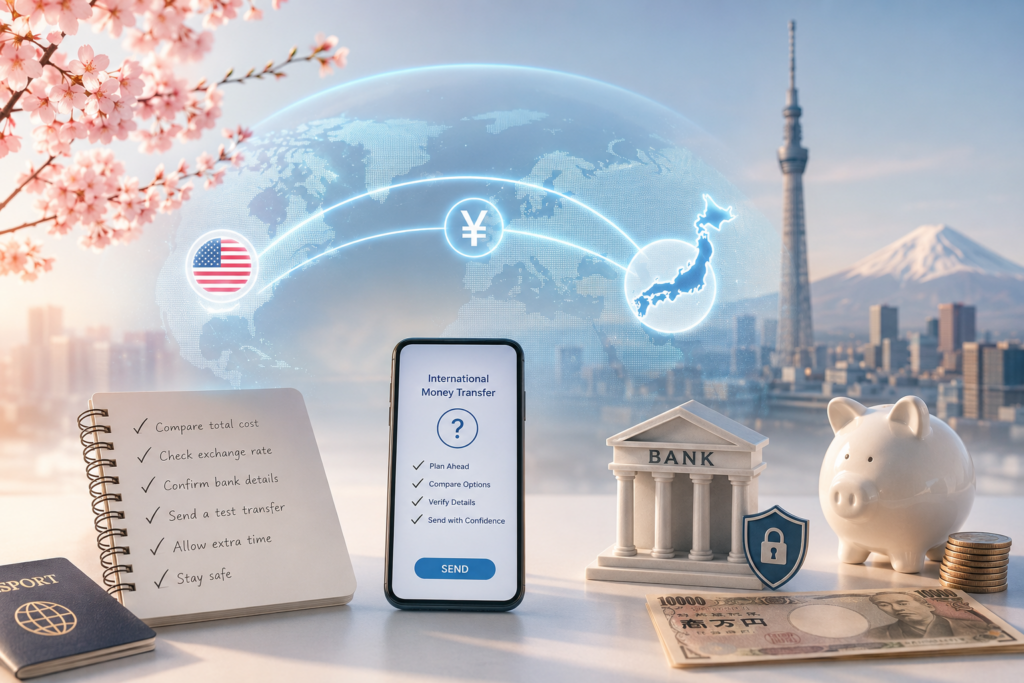
Depending on your country and provider, an international money-transfer or cash-pickup service may also be useful in an emergency. Check fees, exchange rates, identification requirements, and pickup availability before relying on one.
Prepare Before Your KCP Term
Before departure, confirm your cards work internationally, save your bank’s emergency contact information, and keep your backup card separate. Consider bringing around ¥30,000 for your first few days.
Create a realistic weekly budget covering food, transportation, shopping, and entertainment. Make a bucket list of must-see attractions and experiences, prioritizing what matters most.
A common mistake is overspending during the first few weeks. Enjoy affordable local restaurants and free attractions, saving expensive dining and nightlife for special occasions. Track your spending regularly so your money lasts throughout your stay.
KCP offers Winter, Spring, Summer, and Fall terms, plus a shorter Summer Short-Term option. Review the current KCP Terms of Study to budget according to your program length.
With a little preparation, you’ll spend less time worrying about money and more time enjoying Tokyo!