


How Konbini Are a Language Classroom
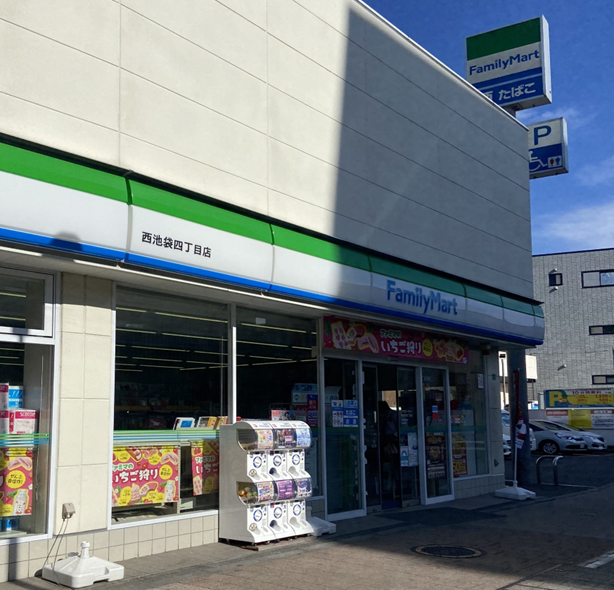
When people think about learning Japanese in Japan, they often imagine classrooms, textbooks, and grammar drills. What many don’t expect is that some of their most consistent language practice happens during everyday routines. One of the best examples? Japanese convenience stores, known as konbini.
Found on nearly every street, konbini are more than just places to grab a snack—they’re an unexpected but powerful language learning environment.
Listening practice you can’t avoid
The moment you walk into a convenience store, Japanese surrounds you. Staff greet customers with “irasshaimase” (welcome), and short announcements play throughout the store. These phrases repeat daily, which helps learners become familiar with natural pronunciation, rhythm, and intonation.
At first, you may not understand everything. But over time, your brain begins to recognize common expressions. Questions like “atatamemasu ka?” (would you like that heated?) or “fukuro wa irimasu ka?” (do you need a bag?) quickly become easy to understand—simply because you hear them so often.
 Reading Japanese as it’s actually used
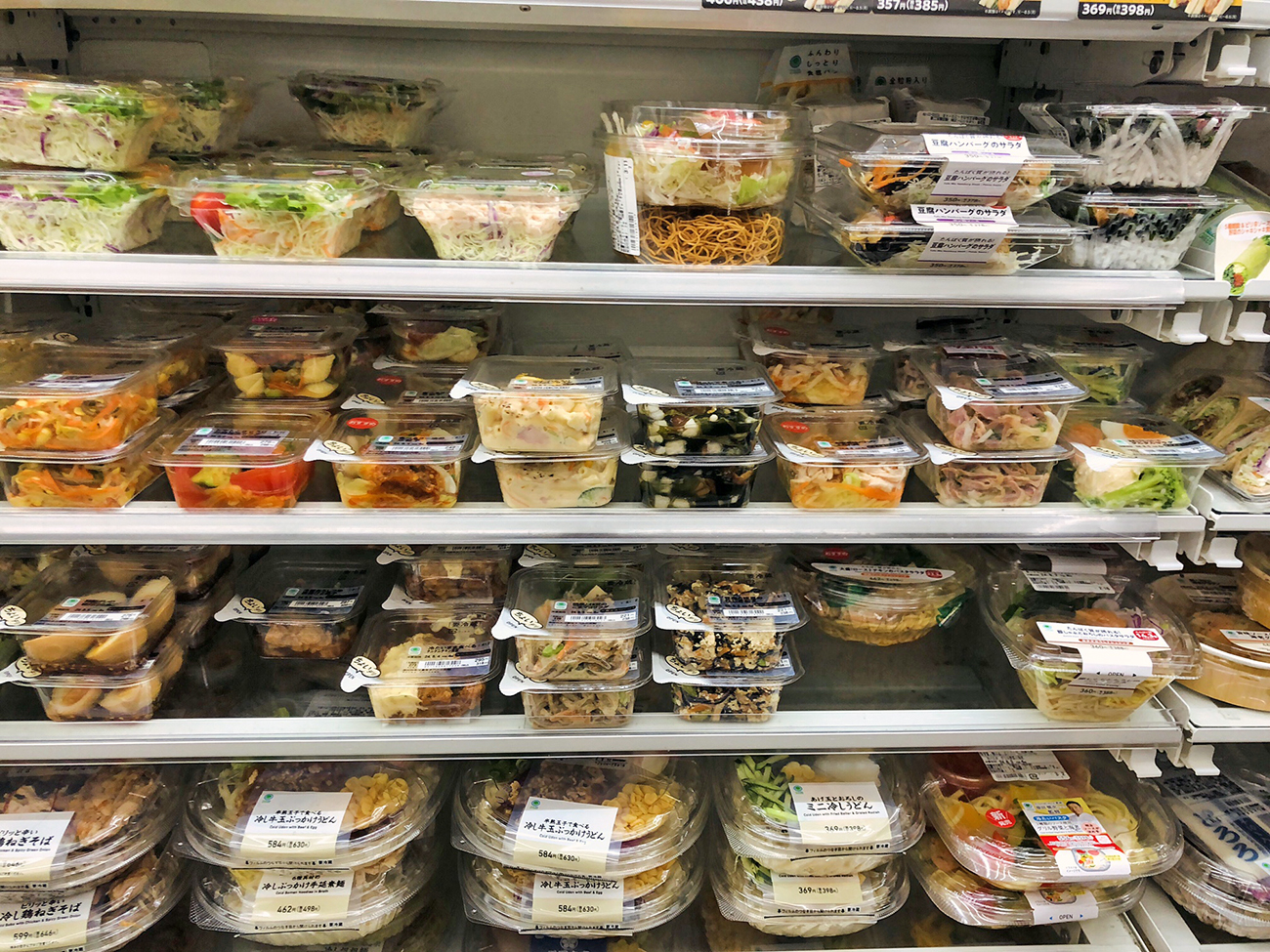
Convenience stores are also full of real-world reading practice. Food packaging includes ingredients, allergy warnings, cooking instructions, and promotional text. This isn’t simplified language designed for learners—it’s everyday Japanese used by native speakers.
Many students find that casually reading packaging helps reinforce vocabulary, recognize kanji in context, and notice patterns in polite language, all without sitting down to study.
Simple, low-pressure speaking practice
Speaking Japanese can feel intimidating, especially at the beginning. Convenience stores make it easier. Interactions at the register follow predictable routines, so you always know what’s coming next.
You don’t need advanced grammar to respond. Simple phrases like “hai,” “daijōbu desu,” or “kore onegaishimasu” are enough. These short, low-pressure exchanges help build confidence and make speaking feel more natural over time.
 Learning culture through everyday interactions
Language and culture are closely connected in Japan. At konbini, students observe polite speech, indirect phrasing, and calm customer service—all key elements of Japanese communication. These small moments help learners understand that how something is said can be just as important as what is said.
Small moments that add up
Japanese convenience stores remind students that language learning doesn’t stop when class ends. Every visit becomes a mini lesson in listening, reading, speaking, and cultural understanding. For prospective language students, this is encouraging: in Japan, even the most ordinary moments help you learn.